
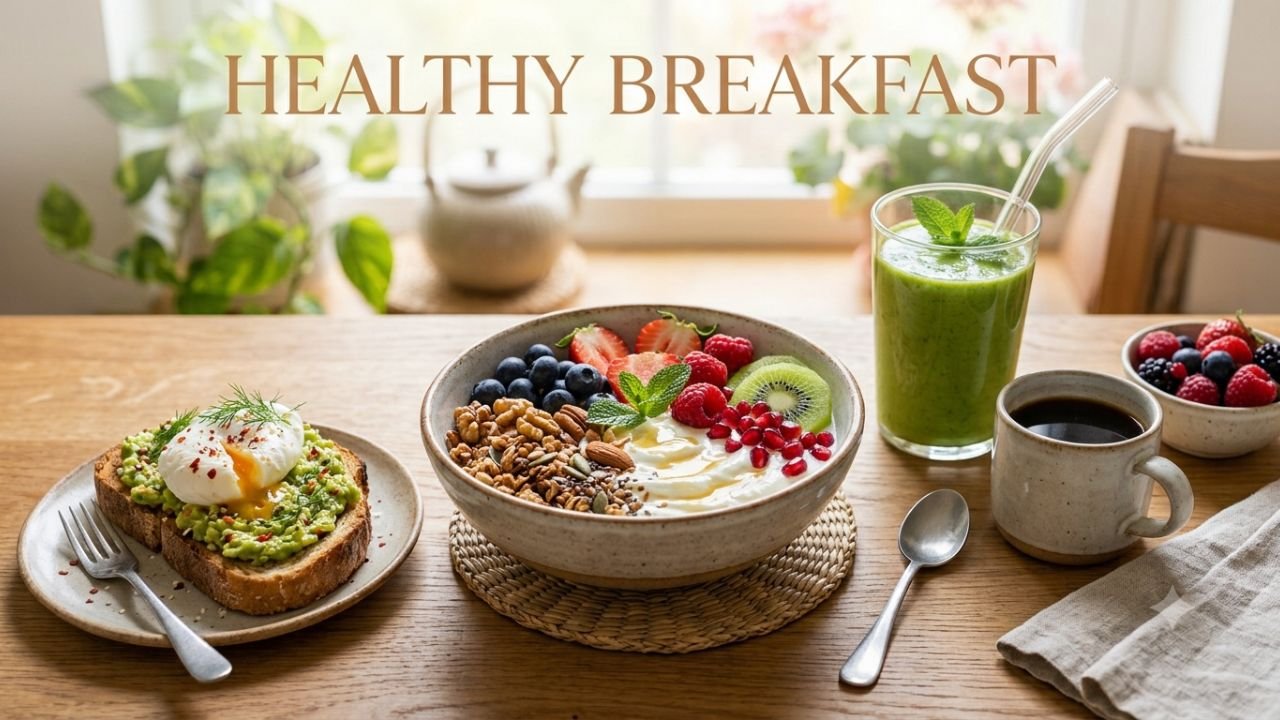
A day-outing breakfast is a significant piece of an adjusted everyday diet. It is an important source of nutrition, eases the hunger experienced after waking up, and also powers you to kick start your day. Whether you want a traditional Indian breakfast, a bowl of oatmeal, fresh fruit or some eggs with whole-grain toast, it can be prepared in so many ways as a healthy way to begin the day.
An Ideal Breakfast contains adequate amounts of protein, fiber, healthy fats and carbohydrates balanced well. These nutrients allow your body to perform essential functions and leave you full until the afternoon. Choosing beneficial options over sugar-coated cereals, baked goodies, or extremely processed foods are going to help support healthy diet styles as well.
This guide tells you everything about breakfast, the advantages of having a healthy breakfast, best foods to add, easy breakfast ideas and useful tips on how to make a good breakfast.
What Is a Healthy Breakfast?
Healthy breakfast is a morning meal that provides an acceptable nutrient balance without excessive added sugar, salt or unhealthy fats. These can cover entire grains, organic products, vegetables, dairy items or reinforced choices, protein-rich food varieties and sources of solid fats.
One breakfast does not fit all. Depending on your age, activity level, food preferences and health needs and schedule that day, there may not be a perfect meal for you.
Light meal: Someone who opts for a light meal can have yogurt with fruit and nuts, someone who needs something more filling may prefer vegetable poha with peanuts or whole-grain toast with eggs, etc.
A balanced breakfast generally includes the following components:
- Protein: Eggs, yogurt, milk, paneer, tofu, beans, or lentils.
- Fiber: Oats, whole-wheat bread, fruit, vegetables, and seeds.
- Healthy fats: Nuts, seeds, and nut butters.
- Carbohydrates: Whole grains, oats, fruit, and other minimally processed foods.
- Vitamins and minerals: Fruits, vegetables, dairy products, and fortified foods.
Combining several of these food groups can make breakfast more nutritious and satisfying.
Benefits of Eating a Healthy Breakfast
The consumption of a healthy breakfast can contribute to many facets of overall well being. Its benefits though will depend on your overall food habits as well as lifestyle rather than a single fitness meal.
1. Provides Energy for the Morning
Breakfast is the first meal eaten after overnight fast allow replenishment of with food energy. Nutrients Three Nutrients, derived from whole grains, fruit, milk and other nutrient-rich ingredients throughout the day supply carbohydrates and other nutrients that make the body’s basic metabolic processes during normal daily activities.
This could be very important for people who have activities in the morning or go to school or start work early.
2. Helps Manage Hunger
Breakfast with a source of protein and fiber keeps you full longer. Therefore, this also can lead you to eat something between meals, even during the day there are some foods such as oatmeal, eggs, yogurt and beans and whole-grain bread which lead to a reduced need for cafes.
Eat as much or little as your appetite and thirst dictates. For others, a small breakfast might represent more than the starting point of something larger.
3. Supports Concentration
For some people, being hungry can be a cognitive challenge to concentrate comfortably on their work or study tasks. Breakfast may help with that focus making children feel more awake and ready to head into their daily activities in the morning.
While many times the access to nutritious choices at breakfast may be of particular added value for children and teenagers, the ability to concentrate currently depends on quality of sleep, hydration and what was eaten all day.
4. Supplies Essential Nutrients
Breakfast helps provide key nutrients, such as protein, calcium, iron. vitamins and dietary fiber. The specific nutrients vary based on the ingredients used.
For example, milk and yogurt are sources of calcium and protein, while fruit provides vitamins and fiber. Whole grains add fiber and several B vitamins.
5. Can Support Healthy Eating Habits
Breakfast can be planned ahead and that helps to follow the same routine all the time. Eating fruit, vegetables, whole grains and protein for breakfast may also lead to making more healthy food choices in the rest of the day.
Eating breakfast precisely at a certain time is not vital for everyone, and missing it does not inherently cause high cholesterol levels or weight gain. The overall quality and quantity of what you eat is still important.
Best Foods to Include in a Healthy Breakfast

Choosing nutrient-rich ingredients is one of the easiest ways to improve your morning meal. The following foods offer different benefits and can be combined to suit your preferences.
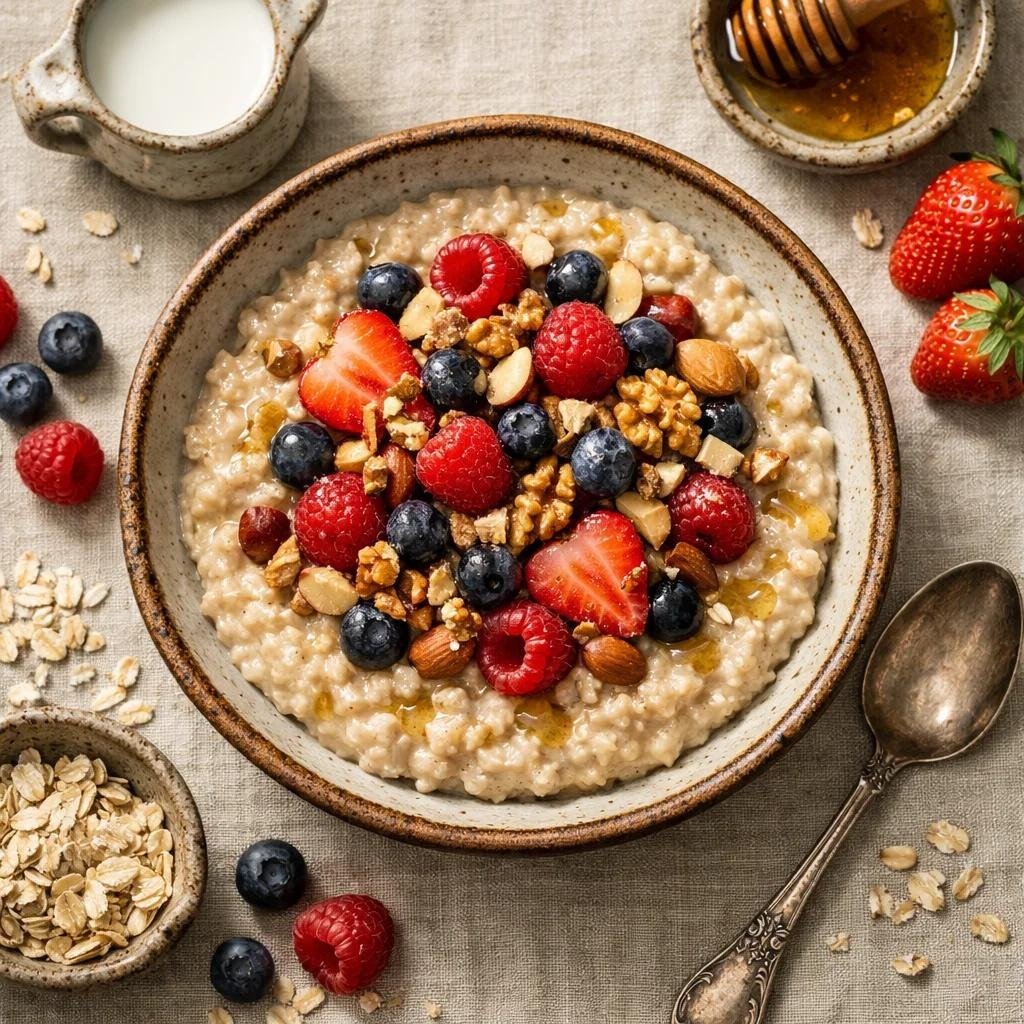
Oatmeal
Oatmeal is a popular breakfast choice because it contains carbohydrates, fiber, and important minerals. Oats provide beta-glucan, a type of soluble fiber that can help support healthy cholesterol levels when consumed as part of an appropriate diet.
Prepare oats with milk or a fortified alternative, then add bananas, apples, berries, nuts, or seeds. For extra protein, consider adding yogurt or nut butter.
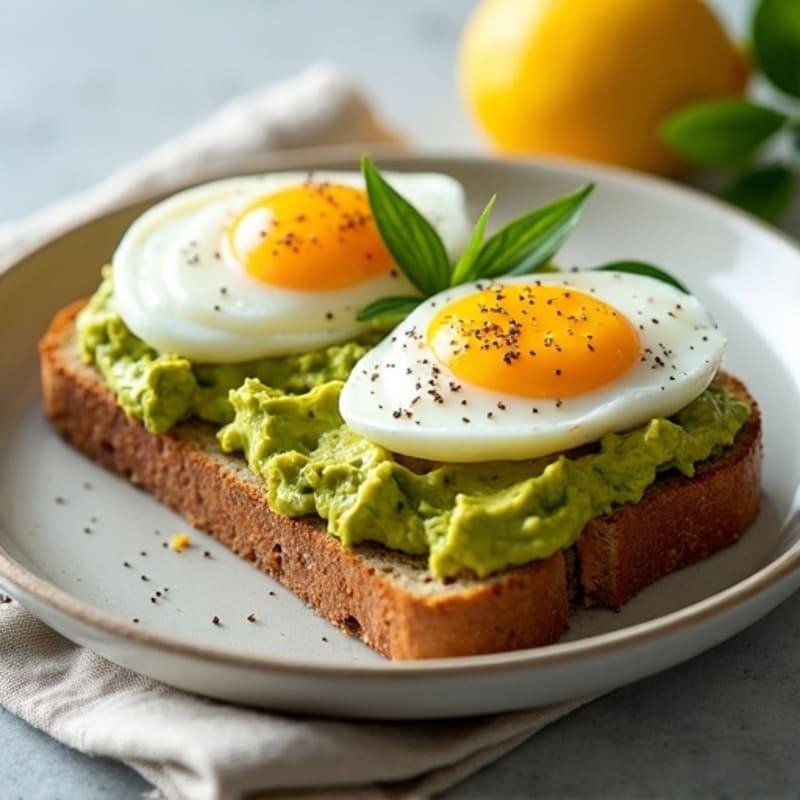
Eggs
Eggs provide high-quality protein and nutrients such as vitamin B12 and choline. They can be boiled, scrambled, or prepared as an omelet with vegetables.
Pairing eggs with whole-grain toast and tomatoes creates a more balanced meal than eating eggs alone.
Fresh Fruits
Bananas, apples, oranges, papaya, guava, and seasonal fruits are convenient breakfast additions. They provide vitamins, minerals, water, and dietary fiber.
Whole fruit is generally a better everyday choice than fruit juice because it retains its fiber and is often more filling.
Yogurt
Plain yogurt provides protein and calcium, and some varieties contain live cultures. Greek yogurt typically offers more protein than regular yogurt, although nutritional values vary by product.
Combine plain yogurt with fruit, oats, and a small handful of nuts for a quick breakfast. Choose unsweetened varieties when possible to limit added sugar.
Whole-Grain Bread
Whole-grain bread supplies carbohydrates and fiber. It can be paired with eggs, paneer, hummus, peanut butter, or avocado.
Check the ingredient list when buying packaged bread, as products labeled multigrain are not necessarily made primarily from whole grains.
Nuts and Seeds
Almonds, walnuts, chia seeds, flaxseeds, and pumpkin seeds provide healthy fats, fiber, and other nutrients. Adding a modest portion to oatmeal or yogurt can improve the nutritional variety of breakfast.
Nuts and seeds are energy-dense, so the serving size can be adjusted according to your needs.
Indian Breakfast Foods
Traditional Indian dishes can also be nutritious choices when prepared with balanced ingredients.
Poha with peas and peanuts, vegetable upma, idli with sambar, besan chilla, dal chilla, and vegetable oats are examples of breakfast meals that can provide carbohydrates, fiber, and varying amounts of protein.
Using vegetables, pulses, and moderate amounts of oil can improve their nutritional balance.
10 Healthy Breakfast Ideas to Try
If you want variety in your morning routine, these easy breakfast ideas can help you plan nutritious meals without spending too much time in the kitchen.
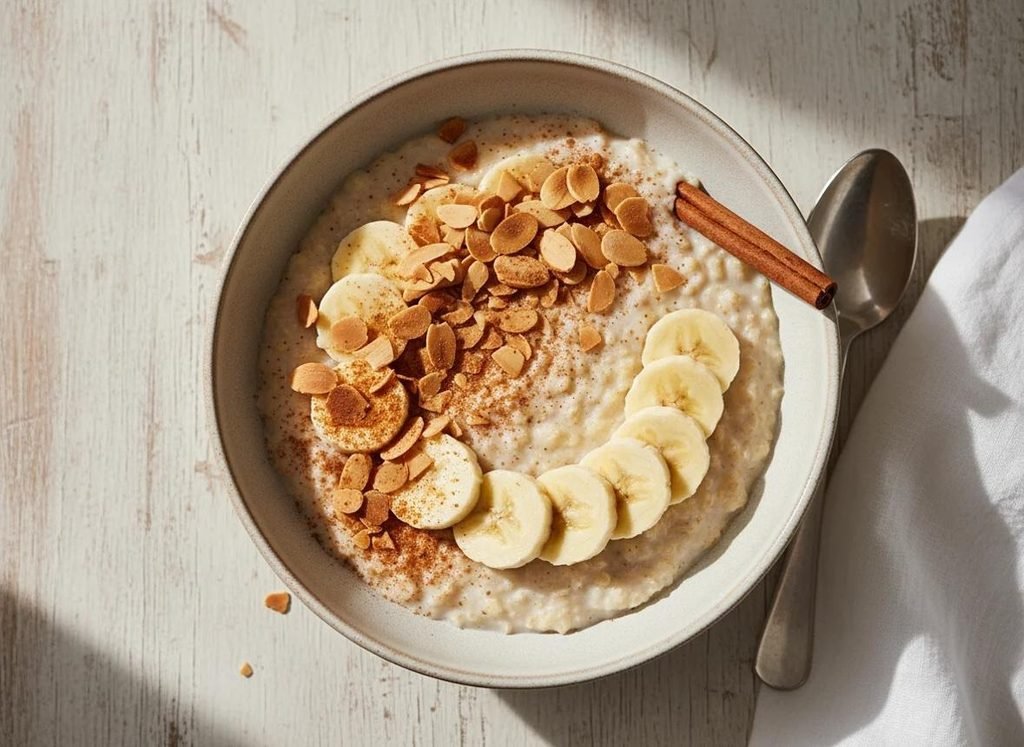
1. Oatmeal With Banana and Nuts
Cook oats in milk or water and add sliced banana, almonds, and cinnamon. This combination provides fiber, carbohydrates, and some protein and healthy fats.

2. Vegetable Poha
Prepare poha with peas, onions, carrots, and peanuts. Serve with plain yogurt if you want to add more protein.

3. Besan Chilla
Make savory pancakes with gram flour, chopped onions, tomatoes, coriander, and spices. Serve with curd or mint chutney for a flavorful meal.
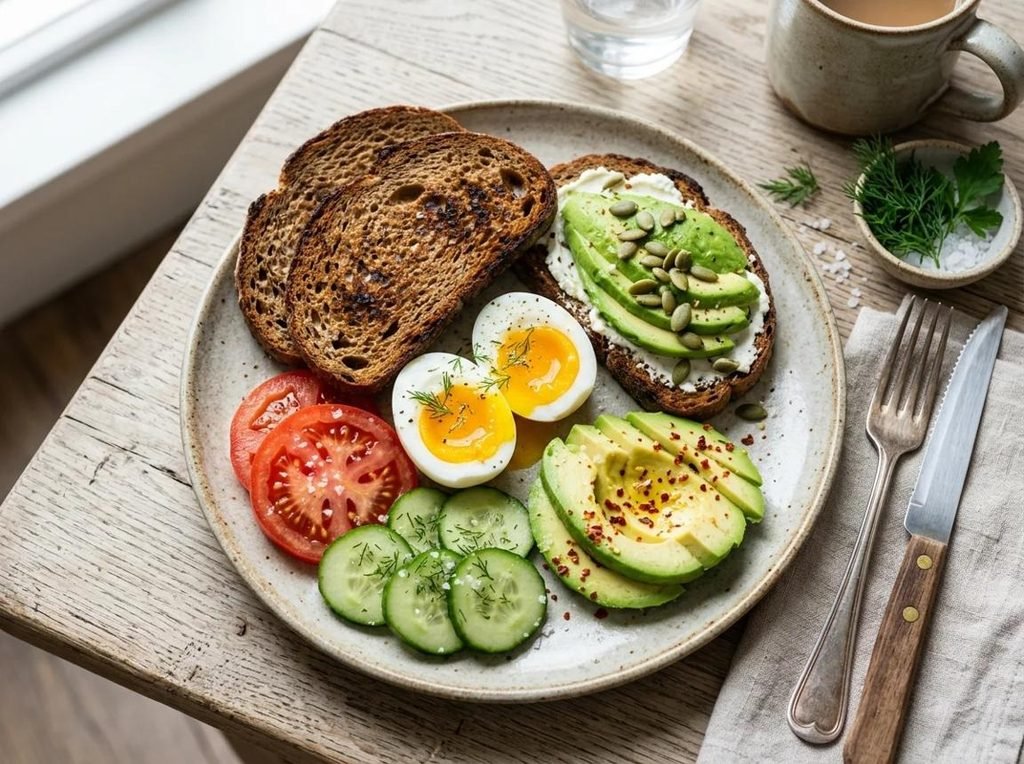
4. Eggs With Whole-Grain Toast
Combine boiled or scrambled eggs with whole-grain toast and fresh vegetables. This option is suitable for people who include eggs in their diet.
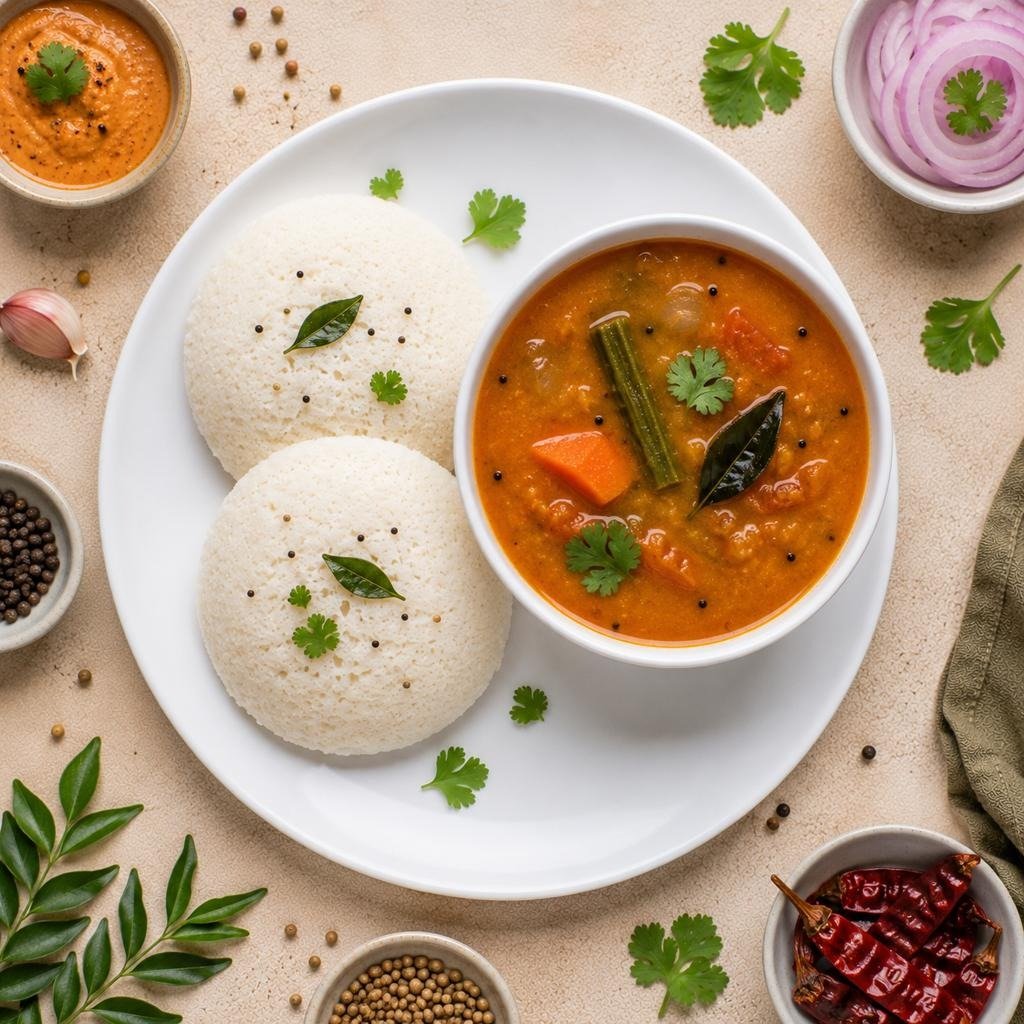
5. Idli With Sambar
Steamed idlis served with lentil-based sambar provide carbohydrates and protein. Sambar also adds vegetables and contributes fiber.
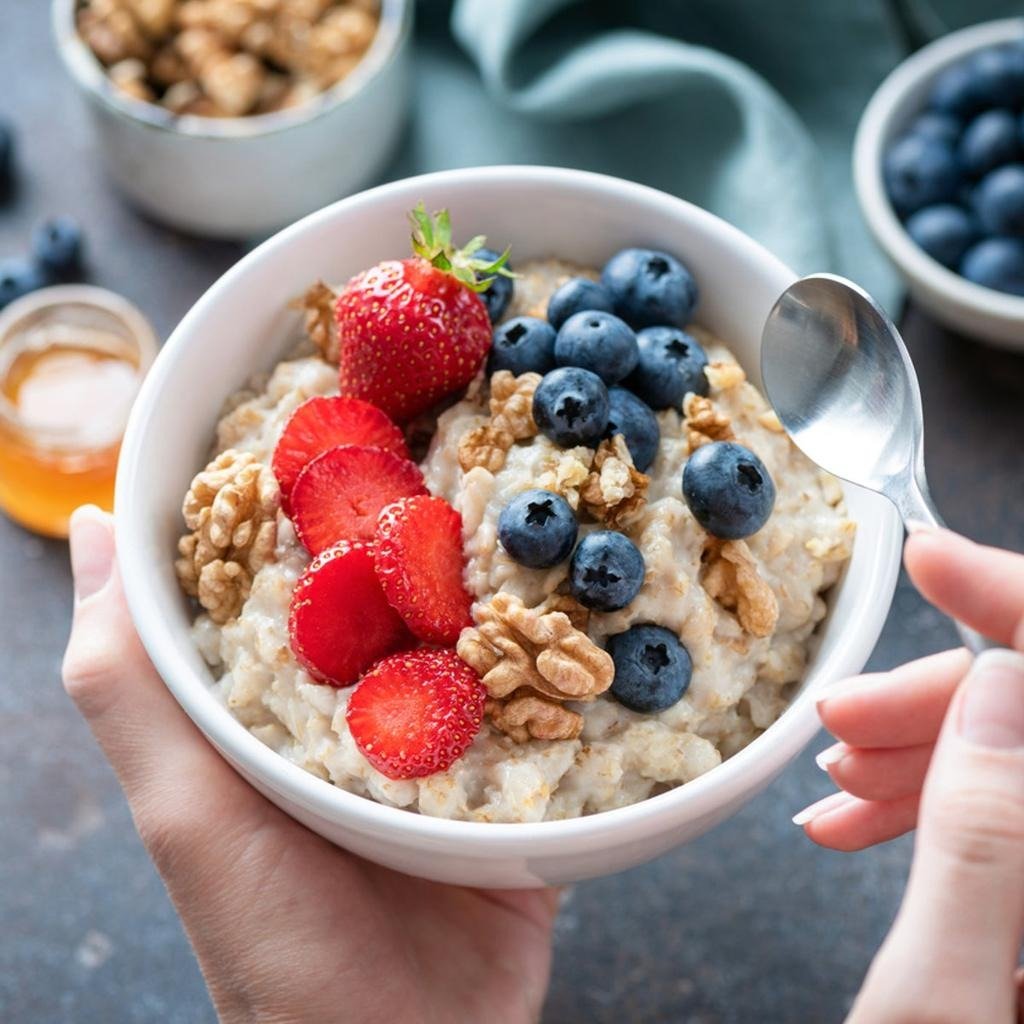
6. Yogurt and Fruit Bowl
Add seasonal fruit, oats, and nuts to plain yogurt. This is a convenient option for busy mornings and requires little preparation.
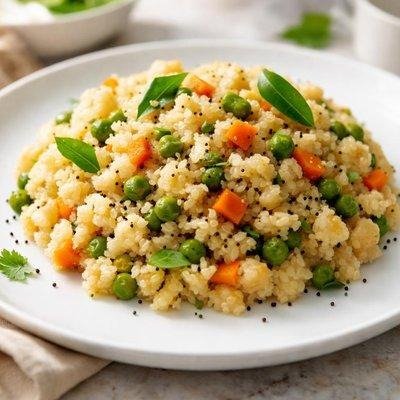
7. Vegetable Upma
Prepare upma with semolina, peas, carrots, and other vegetables. Add roasted peanuts or serve it with yogurt for a more balanced meal.
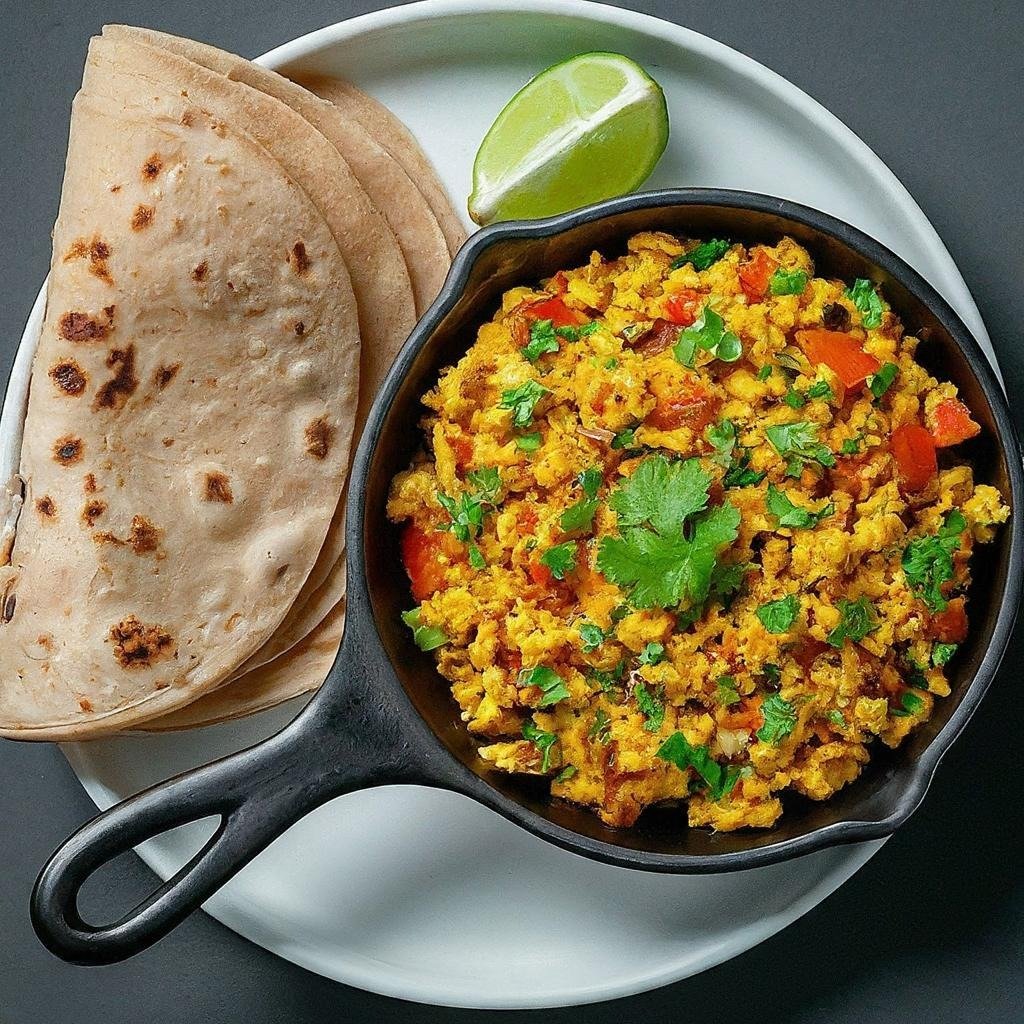
8. Paneer Bhurji With Roti
Crumble paneer with onions, tomatoes, and spices. Serve with whole-wheat roti for a protein-containing breakfast with carbohydrates.
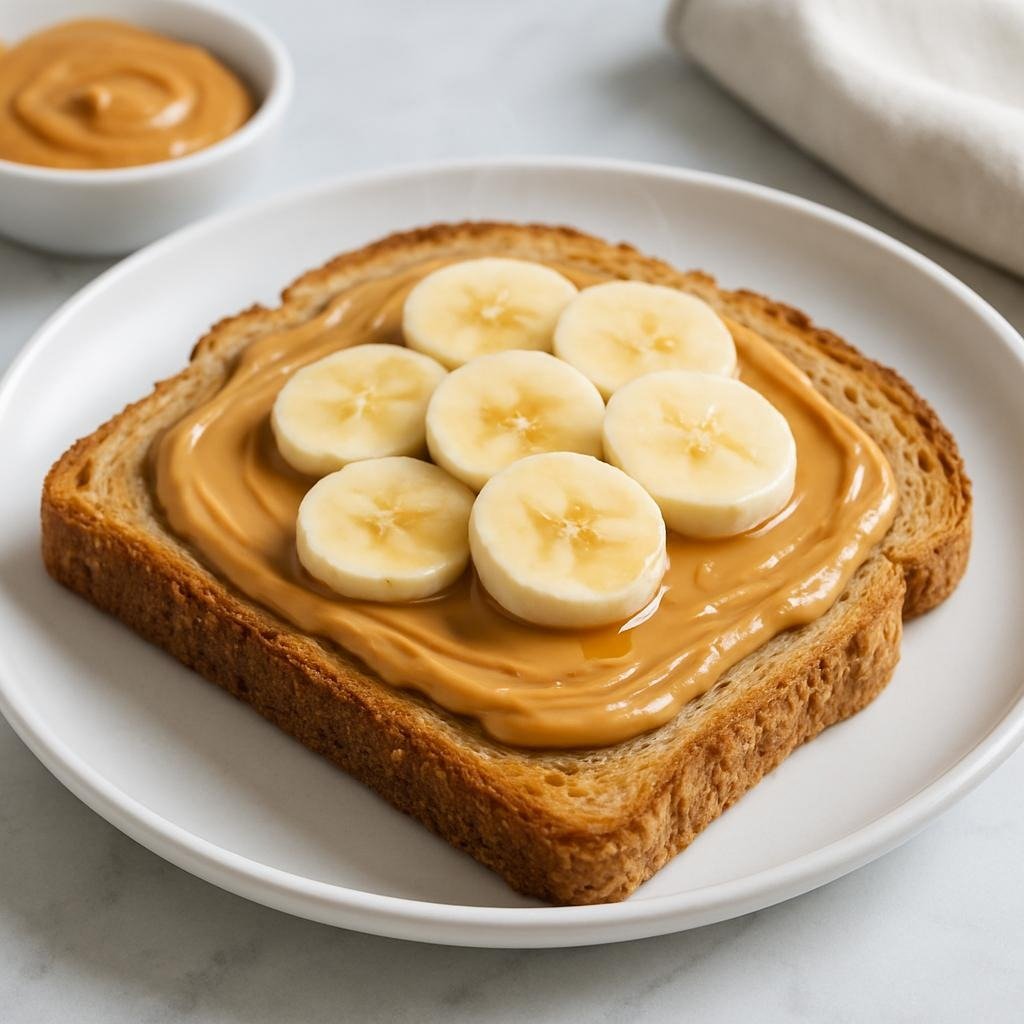
9. Peanut Butter and Banana Toast
Spread peanut butter on whole-grain toast and top it with banana slices. Choose peanut butter with little or no added sugar.

10. Moong Dal Chilla
Make pancakes from soaked and blended moong dal with ginger and vegetables. Serve with curd or chutney for a satisfying vegetarian breakfast.
Healthy Indian Breakfast Options
Indian cuisine is rich in variety when it comes to breakfast that we can enjoy as part of a healthy eating plan. You can eat healthy without switching to Western-style meals.
The veggie choices can be poha, idli with sambar, besan chilla moong dal chilla, veggie dalia paneer bhurji and stuffed vegetable paratha (with plain curd).
For a more balanced meal make it with some protein source as well like lentils, chickpeas or simply add on milk, yogurt, paneer or tofu. Both vegetables and whole grains add to the fiber content.
Foods cooked on a pan, including parathas are also part of keeping a balanced diet. The overall nutrition of the meal will depend on how much oil or butter is used, as well as portion sizes and what else they eat.
Basic adaptations to a familiar recipe and diet can be ideal if you want a traditional breakfast.
Healthy Breakfast for Weight Management
A well-balanced breakfast can play a part in an overall weight management plan, and there is not one single food or meal that will cause you to lose weight.
Protein and fiber-rich meals potentially control hunger to help maintain dietary habits that suit your energy requirements.
Pick oatmeal with natural yogurt, besan chilla with curd, eggs with whole-grain toast; vegetable poha with peanuts and a protein-rich accomplice.
Each of the foods you eat adds up no matter how nutritious it is and large portion sizes can darn right give you more energy than possible to expend. Eating too little can also make you hungry and unsustainable for your deal.
Instead of a breakfast-only approach, turn your focus to balanced meals every couple of hours, sleep, hydration and exercise when addressing your weight.
Healthy Breakfast for Muscle Building
Breakfast can also be used by those wishing to increase their muscle mass as a meal to achieve some of the daily protein and energy requirements.
Include eggs, milk, yogurt (lacto-vegetarian), paneer, tofu and soy products(lacto-vegetarian). These can be paired with carbohydrates (Oats, whole-grain breads, poha or roti) to give energy for daily activities and workout.
A vegetarian breakfast could be paneer bhurji with whole-wheat roti and a glass of milk. The other option is oatmeal cooked with milk and garnished with nuts and yogurt.
Which meal is better does however depend on the bigger picture in terms of your training plan, daily protein needs, hunger levels and total food volume. Muscle growth is also dependent on recovery along with regular resistance training.
Quick Healthy Breakfast Ideas for Busy Mornings
You can make a healthy breakfast even if you are short on time. Planning some of the ingredients the night before can ease busy mornings.
Overnight oats: These are made by combining oats with milk or yogurt and allowing them to sit overnight in the fridge. Before you eat, add fruit and seeds.
Another easy option is a banana with yogurt and nuts. Preparation time is very short, as you can prepare whole-grain toast with peanut butter in minutes and boiled eggs beforehand and safely stored in the fridge.
For Indian cuisine, make the batter for chilla in advance or set aside chopped vegetables for poha and upma.
Aim to have easy-to-use items such as oats, fruit, nuts, whole grain bread, yogurt and cooked pulses in the house. This helps you opt for a healthy breakfast rather than relying on packaged snacks first thing in the morning.
Foods to Limit at Breakfast
You won’t need to ditch each sweet or fried food so as to have a healthy breakfast. However, heavily indulging in certain foods at all times can make healthy eating more difficult to sustain.
Sugary Cereals
Oftentimes breakfast cereals are extremely high in added sugar, and very low in fiber. Look at the nutrition label and seek out those with whole grains with little added sugar.
Sweetened Beverages
Sugar will be added to sweetened tea, coffee drinks, soft drinks and packaged fruit beverages, but that sugar comes with little fiber. Plain tea, coffee, water or milk may be better daily options.
Highly Processed Pastries
Bakery goods (doughnuts, pastries and other similar items) are high in added sugar and saturated fat. They can be consumed from time to time, but rotating them with meals concentrated in micronutrients helps to achieve more variability in the diet.
Deep-Fried Breakfast Foods
Eating fried foods regularly can contribute a lot of calories and fat to your meal. Practical alternatives are steaming, boiling, grilling and a moderate use of oil.
The idea is not to vilify individual foods as purely good or bad. Rather than utilizing it primarily for breakfast, you can make yourself a healthy breakfast by mostly based on healthy food of your own preferences.
How to Make Your Breakfast More Nutritious
Your regular breakfast can benefit from small changes without making it complicated.
Pick whole grains as often as you can. Minimally processed grains, such as oats, whole-wheat bread and other varieties of whole grain contain more fiber than highly refined varieties.
Next, add a protein source. Breakfast can be made more balanced by combining complete protein sources such as peanuts and yogurt with poha, pairing idli/uttapam with sambar or serving paneer cooked in a vegetable dish.
Add it to whatever you can, a little fruit or veg. Example: Grated carrots added in chilla, spinach in omelet and fresh fruits added in oatmeal.
Be aware of added sweeteners and oil. Lowering unnecessary sugar in drinks and implementing lower amounts of oil makes a meal much healthier.
Last but not least is to consume ample amount of water on a daily basis. Although Tea and coffee can be integrated into a balanced lifestyle, water must still play the major role in hydration routines.
Conclusion
Breakfast can be nutritious, inexpensive and fun. Oatmeal, fruit and yogurt, eggs, poha, idli, besan chilla or paneer bhurji whatever is your choice: mixing nutrient-dense foods that fit the way you live is still the best method.
Incorporate protein, fiber, complex carbohydrates (whole grains), fruits or vegetables as much as possible and avoid added sugar and excessive oil. Then you do not need special expensive ingredients and it is also not very complicated to prepare a well-balanced breakfast.
Eating breakfast needs to be part of a larger nutrition routine that includes several kinds of whole food and realistic eating habits.
Read Also: Tivoli Tavern Menu || Chipotle Catering Menu || Bonefish Grill Menu
Frequently Asked Questions
1. What is the healthiest breakfast to eat every day?
There is no single healthiest breakfast for everyone. Oatmeal with fruit and yogurt, besan chilla with curd, eggs with whole-grain toast, and idli with sambar are examples of balanced options. Varying ingredients helps provide a wider range of nutrients.
2. Is eating breakfast every day necessary?
Not everyone needs to eat breakfast at the same time or follow the same meal schedule. Some people feel better eating in the morning, while others prefer to eat later. Overall diet quality and meeting your nutritional needs are more important than following one schedule.
3. Which Indian breakfast is healthy?
Poha with vegetables and peanuts, besan chilla, moong dal chilla, idli with sambar, and vegetable dalia can all be nutritious choices. Their nutritional value depends on ingredients, portion sizes, and preparation methods.
4. Is oatmeal a healthy breakfast?
Yes, oatmeal can be a healthy breakfast because it contains fiber, carbohydrates, and several important nutrients. Preparing it with milk or yogurt and adding fruit, nuts, or seeds can increase its nutritional variety.
5. Can I eat fruit for breakfast?
Yes, fruit is a nutritious breakfast component. If fruit alone does not satisfy your hunger, combine it with yogurt, milk, nuts, seeds, or another protein-containing food.