

Black coffee is a widely drunk beverage throughout the world, famous for its strong smell, rich flavor, and natural caffeine. Black coffee, on the other hand, is commonly made using only coffee powder or ground coffee and water — unlike milk coffee or sweetened coffee. Alone, without any sugar, milk, cream or other add-ins it has very few calories.
People drinking black coffee in the morning is common in about almost everyone, either to be alert, able to focus on work or just enjoy a caffeine boost. It is also a favorite among fitness buffs and dieters. But black coffee has its pros and cons, depending on how much you drink it and the caffeine sensitivity each person has.
We will cover black coffee’s nutrition profile, health benefits, potential side effect, when to drink it and how to make it delicious at home.
What Is Black Coffee?
Black coffee is a form of coffee which consists of brewed coffee boiling without milk or cream mixed with roasted coffee beans, instant coffee powder into hot water. Some enjoy it cold, or black iced coffee.
It can be prepared by using instant coffee, a french press, drip coffee maker, moka pot and other brewing methods. Although its flavour can vary from mild to soft through strong, bitter and lightly acidic according to the coffee beans and brewing system.
If you drink black coffee, then it is low in calories and contains caffeine and may give a small amount of antioxidants and certain nutrients. With a pretty simple nutritional profile this is standard fair for many who like a simply beverage without added sugar or fat.
Black Coffee Nutrition Facts
Plain black coffee contains very few calories compared with many other popular drinks. The exact nutritional values depend on the serving size, coffee variety, and brewing method.
Approximate nutrition for one cup of brewed black coffee, around 240 ml, is given below.
| Nutrient | Approximate Amount |
| Calories | 2–5 kcal |
| Carbohydrates | Less than 1 g |
| Protein | Less than 1 g |
| Fat | 0 g |
| Sugar | 0 g |
| Caffeine | 80–100 mg |
| Potassium | Small amount |
| Antioxidants | Present |
These figures are estimates rather than fixed values. A strong cup of coffee may contain considerably more caffeine than a lightly brewed one.
Adding sugar, milk, flavoured syrups, or cream changes the nutritional content. If you want to keep your coffee low in calories, drinking it plain is the simplest option.
Health Benefits of Black Coffee
Black coffee may offer several benefits when consumed in moderation. Most of these benefits are associated with caffeine and naturally occurring compounds found in coffee. However, its effects can differ from person to person.
1. Helps Improve Alertness
Black coffee makes you feel more awake,which itself is one of the most important reasons people drink black coffee. Caffeine operates centrally on the nervous system, blocking adenosine receptors responsible for signalling tiredness.
As such, caffeine can enhance one’s state of alertness, concentration and reaction time for a limited duration. A cup of black coffee is especially effective when you require full focus on working, studying or any other difficult tasks.
But sleep isn’t something that coffee can compete with! You can still drink it if you’ve had very little sleep; while it may make you feel more awake, mental performance is not completely restored.
2. May Support Weight Management
When drunk raw, black coffee is a low-calorie drink. You can substitute hot or iced black coffee for high-calorie coffee drinks, sugary beverages, sweetened tea, and this may help you take in fewer calories overall.
Caffeine likely also temporarily affects energy expenditure and appetite regulation but effects differ markedly. Drinking black coffee on its own will not lead to substantial or sustained weight loss.
To help manage your weight, you can follow these steps: and a lot more here at obesity:combine several activities that include balanced nutrition with regular exercise, enough sleep and healthy lifestyle behaviours. Do not use coffee in replacement of your meal or as a shortcut for weight-loss.
3. Contains Antioxidants
Naturally occurring compounds provide coffee its antioxidant powers, especially chlorogenic acids and other polyphenols. Antioxidants protect against oxidative damage from unstable molecules that are considered free radicals.
These compounds vary in quantity and type due to a combination of the beans being used, the roast process and the brewing method.
The antioxidant benefits of black coffee may have some place in your diet, but by no means does it take the place of fruits, vegetables, whole grains and other nutritious foods as part of a healthy eating pattern.
4. May Improve Physical Performance
Caffeine is often used for exercise performance support. It helps them to feel less fatigued and may increase exercise endurance in some types of activity.
Others use black coffee before a workout because it delivers caffeine without much caloric addition.
Responses are individual, and for some individuals consuming coffee immediately before exercise may lead to stomach discomfort or rapid heartbeat. If you decide to drink it before working out, think about your tolerance and do not consume more caffeine than you can handle
5. May Support Brain Function
Caffeine can provide transient improvements on attention, vigilance and some elements of cognitive performance. This may assist you remain focused as you work on tasks that require prolonged intensity.
Physicians have also investigated possible links between routine coffee intake and a reduced risk of developing distinct neurological disorders. Yet, these results do not indicate that black coffee drinking protects from those diseases.
For day-to-day brain health, it is more useful to think of coffee as one component of a healthy lifestyle or in terms of wellness or disease prevention rather than an all-purpose remedy.
6. May Be Associated With Liver Health
Based on findings from a multi-ethnic US cohort study, coffee consumption was associated with lower risk of liver disease. Coffee contains compounds that could alter inflammation and other biological phenomena.
However, the relationship is not that simple and not every single person reacts the same way. Black coffee does not cure liver disease and should never be a substitute for proper care or prescribed treatment from/with a qualified healthcare professional.
7. May Support Long-Term Health
There is some evidence from observational studies that moderate coffee consumption may be associated with a lower risk of type 2 diabetes, certain cardiovascular diseases and liver conditions.
These are correlational studies, so they show associations rather than direct causal evidence that benefit stems from coffee itself. Certainly, health outcomes are affected by diet, physical activity, smoking cigarettes and sleep and many other lifestyle factors.
Moderate black coffee consumption can comfortably fit into a balanced lifestyle for most healthy adults who tolerate caffeine.
Black Coffee for Weight Loss
Due to its low-calorie content and caffeine, black coffee plays a big role in weight-managing routines. But knowing what it can, and cannot do is key.
Black Coffee For Belly Fat Does Black Coffee Burn Belly Fat?
Black coffee does not play any particular role in belly fats. However, while caffeine may temporarily raise energy expenditure and fatty acid oxidation, these effects do not lead to a reduction in body fat.
The best way to lose extra belly fat is through sustainable eating, exercise, and sleep — all of which decrease total body fat. There is simply no drink that can spot-reduce fat from one specific area.
Should be Black Coffee For weight loss.
When replacing a beverage with higher calories, it can be an effective option. By way of example, going from large coffee with sugar and cream to black coffee may lead to a lower daily calorie intake.
Still, simply adding a few cups of coffee into your routine and hoping it will magically help you lose weight long-term all on its own is highly unlikely unless other habits also change.
Is Drinking Black Coffee on an Empty Stomach a Good Idea?
Some folks drink black coffee before breakfast and some after they eat. There is no specific rule saying that it must be drunk on an empty stomach by everyone.
In some people, coffee can trigger acidity, nausea, an upset stomach or acid reflux symptoms when taken before food. If this happens to you, try drinking it along with or after a meal.
The best routine is the one that fits your digestion, sleep schedule, and tolerance to caffeine.
Best Time to Drink Black Coffee
The best time to drink black coffee depends upon how your daily habit and level of caffeine sensitivity
In the Morning: Black coffee is a useful way to secure more alertness after waking. If you have stomach irritation, consume it during breakfast rather than on an empty stomach.
Pre-workout: Many individuals prefer to have espresso earlier than an exercise to take benefit of caffeine’s efficiency boosters. When to use it is individual dependent on tolerance and more caffeine does not equal better results either.
When working: A cup of black coffee to stay sharp while you work your focus-challenged tasks. Do not drink coffee several times in a day without knowing to stay within your total caffeine consumption limit.
Late in the day: Coffee late can affect sleep long after immediate effects subside. If you have a problem sleeping, don’t have any caffeine within six to eight hours of bedtime — or longer if you are particularly sensitive to it.
This means there is no recommended best time for all. It should be influenced by your sleep quality and physiological reactions to caffeine.
How to Make Black Coffee at Home
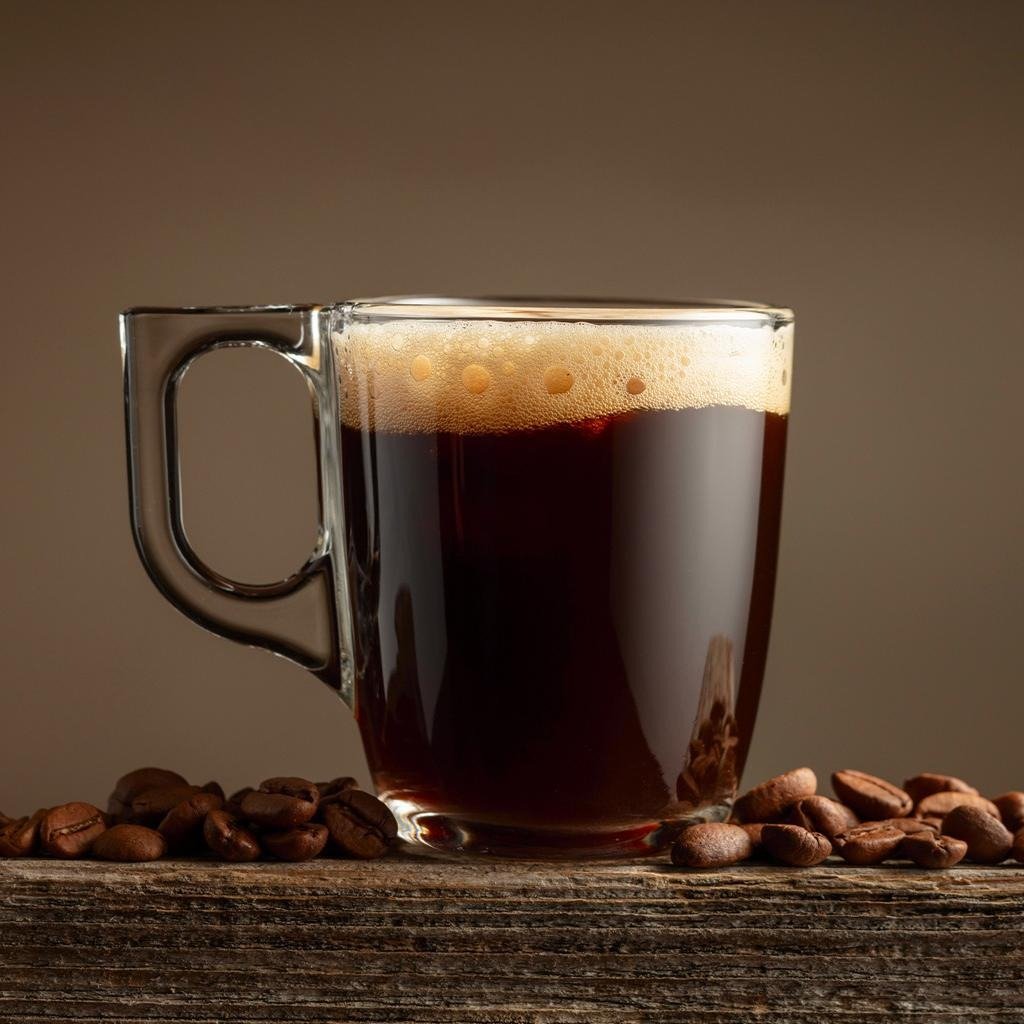
Making black coffee at home is simple. You only need coffee and water, although the brewing method will affect the flavour.
Ingredients
- 1 teaspoon instant coffee powder or approximately 1–2 tablespoons ground coffee, depending on the brewing method
- 200–240 ml hot water
- Optional: a small amount of cinnamon for flavour
Preparation Method
Step 1: Heat the water. Heat fresh drinking water until it is hot. For ground coffee, follow the temperature recommendations for your brewing equipment.
Step 2: Add the coffee. If using instant coffee, place the powder in a cup. If using ground coffee, add it to your French press, filter, or preferred coffee maker.
Step 3: Pour in the water. Add hot water and stir instant coffee until it dissolves. For ground coffee, allow it to brew according to the method you are using.
Step 4: Adjust the strength. Add more water if the coffee tastes too strong, or adjust the quantity of coffee the next time you prepare it.
Step 5: Serve without milk or sugar. Enjoy your black coffee while it is warm. You can also pour cooled coffee over ice for a refreshing cold version.
If you are new to black coffee, begin with a smaller amount of coffee and adjust the strength gradually.
Black Coffee vs Milk Coffee
Both black coffee and milk coffee can fit into a balanced diet. The main differences are their calorie content, nutritional composition, taste, and caffeine concentration per serving.
| Feature | Black Coffee | Milk Coffee |
| Calories | Usually 2–5 per 240 ml | Depends on milk and serving size |
| Added sugar | None if served plain | Depends on preparation |
| Fat | Almost none | Depends on milk type |
| Protein | Very little | More when made with milk |
| Taste | Strong, roasted, sometimes bitter | Creamier and milder |
| Caffeine | Depends on coffee quantity | Depends on coffee quantity |
Black coffee is often the better choice if your main goal is to keep beverage calories low. Milk coffee provides additional protein and calcium when made with milk.
Neither option is automatically healthier in every situation. Your portion size, added sugar, milk choice, and overall diet matter.
Side Effects of Black Coffee
Although black coffee is safe for many adults in moderate amounts, excessive caffeine intake can cause unpleasant symptoms.
1. Sleep Problems
Caffeine can delay sleep, reduce sleep quality, and make it harder to fall asleep. People who are sensitive to caffeine may notice these effects even after a relatively small serving.
Limit afternoon and evening coffee if you experience difficulty sleeping.
2. Increased Heart Rate or Palpitations
Some people experience a racing heartbeat, palpitations, shakiness, or anxiety after drinking coffee. These effects are more likely with higher caffeine intake or increased sensitivity.
If you experience persistent or concerning symptoms, reduce caffeine and seek medical advice. Chest pain, fainting, or severe difficulty breathing requires urgent medical attention.
3. Acidity and Digestive Discomfort
Coffee may trigger heartburn, acid reflux, nausea, or stomach discomfort in some people. Drinking it on an empty stomach can make symptoms more noticeable for certain individuals.
Try a smaller serving, drink coffee after food, or choose a different beverage if symptoms continue.
4. Anxiety and Restlessness
Caffeine stimulates the nervous system and may increase feelings of nervousness, restlessness, or anxiety. People who already experience these symptoms may find that coffee makes them worse.
Reducing the serving size or choosing decaffeinated coffee may help.
5. Caffeine Dependence and Withdrawal
Regular caffeine consumption can lead to physical dependence. Suddenly stopping coffee after frequent use may cause headaches, tiredness, irritability, and difficulty concentrating.
If you want to reduce your intake, gradually decreasing the amount you drink can make the transition easier.
How Much Black Coffee Can You Drink Daily?
The US Food and Drug Administration reports that 400 milligrams of caffeine per day is a generally safe amount not associated with dangerous adverse effects for most healthy adults. Of course, individual tolerance differs and this number is not the target for every single individual.
A normal brewed coffee topped up to 240 ml cup worth roughly 80–100 mg caffeine, but stronger brew could contain far more. Keep in mind to include caffeine from tea, energy drinks, chocolate, supplements and other options.
One strategy is to drink one cup and see how your sleep, digestion, heart rate and mood are affected.
The high level of caffeine during pregnancy is not good at all and generally guidance from major health organizations recommend that pregnant individuals limit total caffeine to a maximum of 200 milligrams per day. People who are pregnant, take medications that interact with caffeine or have a medical condition should consult a health care professional for appropriate intake.
Common Myths About Black Coffee
Myth 1: Black Coffee Guarantees Weight Loss
Black coffee contains very few calories, but drinking it does not automatically lead to weight loss. Sustainable changes to diet and activity remain important.
Myth 2: The More Coffee You Drink, the Better
Excess caffeine can cause anxiety, digestive discomfort, palpitations, and sleep problems. More is not always better.
Myth 3: Black Coffee Dehydrates Everyone
Coffee contributes fluid to your daily intake. Although caffeine has a mild diuretic effect, moderate coffee consumption does not generally cause dehydration in habitual coffee drinkers.
Myth 4: Black Coffee Is Always Healthy
Plain black coffee can be a reasonable beverage choice, but it may not suit everyone. People who experience caffeine sensitivity, reflux, anxiety, or sleep problems may need to reduce their intake.
Myth 5: Black Coffee Replaces Breakfast
Coffee provides almost no meaningful energy or protein. It should not replace a balanced meal when your body needs nourishment.
Conclusion
Black Coffee is a food Composition of black coffee rich in naturally occurring antioxidants, low calorie and low-fat content to increase alertness. You can also use it as part of a weight-management strategy and for some parameters of exercise performance, used properly.
But black coffee is not a miracle drink. It does not supplant a balanced diet, exercise and good sleep, and too much consumption of caffeine can result in anxiety, digestive upset, racing heart and disturbances in sleep.
For most healthy adults, less is more drink a cup of black coffee here and there, skip the added sugar, and listen to how your body reacts to it. As part of a balanced lifestyle, black coffee can be a nice addition to your daily routine.
Read More: Dutch Bros Menu With Prices 2026 || Drake’s Menu
Frequently Asked Questions
1. How many calories are in black coffee?
One 240 ml cup of plain black coffee generally contains around 2–5 calories. Adding sugar, milk, cream, or syrup increases its calorie content.
2. Is black coffee good for weight loss?
Black coffee may support weight management when it replaces higher-calorie drinks. However, it does not directly eliminate belly fat or guarantee weight loss.
3. Can I drink black coffee every day?
Most healthy adults can drink black coffee daily in moderation, provided their total caffeine intake remains appropriate and they do not experience adverse effects.
4. Is black coffee better than milk coffee?
Black coffee generally contains fewer calories, while milk coffee provides additional nutrients such as protein and calcium. The better choice depends on your dietary needs and preferences.
5. Can I drink black coffee at night?
You can, but caffeine may interfere with sleep. If you are sensitive to caffeine or have difficulty sleeping, choose decaffeinated coffee or avoid coffee in the hours before bedtime.
6. Does black coffee improve workout performance?
Caffeine may improve endurance and reduce perceived exercise effort in some people. The effect varies, and excessive intake can cause unwanted symptoms.
2 thoughts on “Black Coffee: Benefits, Nutrition, Side Effects, and How to Make It”